Why Chasing Three Star Four Costs When Low Health Throws Safe Top Fours
How to Tame a Gigantopithecus in ARK Location Food and Taming Strategy
Surviving the treacherous environments of ARK Survival Evolved requires players to constantly expand their roster of domesticated creatures to secure valuable resources. Among the most unique assets you can add to your tribe is the Gigantopithecus, a massive ape-like creature that wanders the island with surprising grace. Mastering the art of befriending this powerful beast provides survivors with a versatile helper capable of gathering materials and throwing riders over high obstacles.
Locating these towering mammalian creatures requires a careful expedition into specific biomes scattered across the map. They are most commonly spotted roaming through the dense vegetation of the Redwoods or navigating the shaded floor of deep forest areas. Survivors should keep a close eye on their surroundings, as these gentle giants often blend in perfectly with the massive tree trunks and thick undergrowth.
Because these creatures share their habitat with dangerous predators like raptors and terror birds, tracking them down can quickly become a risky endeavor. It is highly recommended to clear out neighboring threats before attempting to initiate the taming process to prevent sudden interruptions. Patience is key when scanning the horizon, as their spawns can occasionally be sparse depending on local wildlife activity.
Unlike standard prehistoric predators that require massive amounts of meat, this large primate adheres to a strictly herbivorous diet. Utilizing high-quality Regular Kibble stands as the absolute fastest and most effective method to secure their trust quickly. Having a well-stocked cooking pot ready before your journey ensures you minimize the time spent vulnerable in the wilderness.
If premium kibble is unavailable, survivors can rely on a large supply of harvested Mejoberries to complete the process. While using standard berries takes significantly more time, it remains a highly accessible alternative for low-level players exploring the region. Keeping your taming slots organized prevents accidental feeding errors that might otherwise reset your hard-earned progress.
Befriending this large primate requires an entirely non-violent approach, meaning you must leave your traditional tranquilizer darts behind. Survivors must place the chosen food choice into the final slot of their hotbar before carefully approaching the creature from behind. Walking slowly while remaining crouched is an excellent way to minimize your visual footprint and avoid startling the target.
Maintaining a safe distance immediately after feeding the creature is crucial, as getting too close to their front will instantly trigger an aggressive response. If the creature becomes startled, it will quickly turn hostile and strike with immense physical power. Utilizing a ghillie suit can drastically reduce the creature's detection radius, making the entire sequence far more manageable for solo players.
Successfully completing the process rewards survivors with an incredibly capable companion that does not even require a standard saddle to ride. Players can simply hop onto the shoulders of the beast to guide it directly through treacherous mountain paths and thick woods. Its high raw health pool makes it an exceptional defensive line against smaller predators looking for a quick meal.
Beyond physical combat, these creatures excel at automatically harvesting massive quantities of fiber and wood from nearby foliage. Their most celebrated ability allows riders to be launched high into the air, providing a brilliant tactical method to scale steep cliffs or infiltrate enemy bases. Investing points into weight and melee damage guarantees your new tribal asset remains relevant throughout your survival journey.
Understanding Modern Approaches To Prize Distribution
The methodologies governing how rewards, incentives, and prizes are distributed across modern digital platforms have undergone a massive transformation. Traditional systems that relied on slow, manual selections or predictable structures are rapidly giving way to dynamic, data-driven frameworks. Understanding these contemporary systems is essential for platforms aiming to optimize audience trust and sustain long-term engagement levels.
Modern reward distribution relies heavily on cryptographic protocols and automated verification systems to ensure complete integrity. By utilizing verifiable random number generators, platforms can guarantee that every participant receives an equal opportunity to win. This systemic transparency eliminates human bias and builds a solid foundation of trust between creators and their communities.
Furthermore, these sophisticated systems generate automated public logs that allow external observers to audit the selection process. When users can independently verify the fairness of a campaign, their overall confidence in the ecosystem rises significantly. This mathematical neutrality has become the gold standard for high-stakes digital allocations worldwide.
Beyond absolute randomness, forward-thinking organizations are incorporating machine learning models to tailor incentives to individual user preferences. By analyzing historical behavioral signals, platforms can automatically adjust the types of prizes distributed to maximize personal relevance. This strategic adaptation ensures that the incentives remain highly valuable to different segments of the audience.
For instance, an active participant might receive an exclusive visual cosmetic, while a casual consumer is offered a practical loyalty milestone. This hyper-personalized approach ensures that no two customer journeys feel identical, keeping engagement metrics consistently high. Modern entertainment structures and hubs like m88 cá cược thể thao trực tuyến frequently study these behavioral patterns to deliver highly optimized user experiences.
Psychological research indicates that human motivation peaks when the timing and scale of positive reinforcements remain unpredictable. Modern distribution designs leverage this phenomenon by integrating sudden drops, mystery boxes, and spontaneous milestone rewards into standard operations. This deliberate variation transforms routine interactions into highly anticipated events filled with positive suspense.
When outcomes are not strictly guaranteed or fixed, participants remain mentally active and emotionally invested over extended periods. This variable reinforcement framework helps mitigate user fatigue, which is a common limitation of older progression systems. The resulting sense of novelty encourages regular voluntary participation without requiring aggressive promotional messaging.
Historical reward frameworks often favored a small minority of users who possessed exceptional technical skills or massive time investments. Contemporary allocation strategies actively work to democratize this experience by balancing performance milestones with broad accessibility features. This balanced architecture ensures that everyday community members feel recognized alongside elite performers.
When casual participants realize that a meaningful breakthrough is genuinely attainable, their baseline motivation increases. This inclusive design philosophy fosters a healthier, more collaborative environment where diverse groups can thrive together. Ultimately, modern prize distribution is as much about cultivating community connection as it is about delivering individual rewards.
Persona 3 Reload Boss Levels and Recommended Strategies
Persona 3 Reload brings the beloved RPG classic into the modern gaming era with refined visuals and completely overhauled combat mechanics. Navigating the treacherous floors of Tartarus and surviving the monthly Full Moon shadow operations requires careful preparation and tactical adaptability. Understanding the ideal character levels and boss weaknesses ensures your squad can overcome the toughest challenges without unnecessary grinding.
As you ascend the changing corridors of Tartarus, your progress will regularly be blocked by formidable gatekeeper guardians. These specialized mini-bosses act as strict level checks, demanding that your party possesses adequate defensive stats and optimal skill rotations. Generally, maintaining a party level that matches or slightly exceeds the current floor number ensures a smooth combat experience.
For the early blocks like Thebel and Arqa, finishing your exploration at level 15 to 22 provides a comfortable cushion against localized threats. Attempting these encounters underleveled often results in enemies snowballing within a couple of turns, making victory nearly impossible. Regular exploration and fighting normal shadows along the way is usually enough to maintain this steady progression pace.
The major narrative milestones in the game revolve around the monthly Full Moon operations, which feature unique scripted shadow encounters. Unlike the gatekeepers in Tartarus, these major bosses possess massive health pools and complex shifting mechanics that test your entire strategic toolkit. Arriving at these battles with the correct level baseline prevents sudden party wipes and frustrating restarts.
The early monthly operations are best tackled around level 10 to 15, while mid-game threats like the Hierophant and Lovers shadows demand levels in the late 20s or early 30s. By the time you reach the late-game confrontations in January, your primary party members should ideally sit between levels 70 and 75. Ensuring your level aligns with these parameters unlocks advanced tier skills that are essential for handling late-game status ailments.
Leveling up your characters provides essential statistical advantages, but understanding the intricate combat mechanics remains the true key to victory. Capitalizing on enemy weaknesses triggers the Shift system, allowing you to pass actions between party members to maximize damage output. This mechanic effectively lets you knock down multiple targets in a single turn and unleash a devastating All-Out Attack.
Additionally, the newly introduced Theurgy system serves as a powerful ultimate ability framework that can completely turn the tide of a difficult battle. Each companion charges their unique ultimate gauge by performing specific tactical actions, such as healing allies or landing critical hits. Saving these devastating abilities for boss phases where defenses are down yields the highest possible damage efficiency.
Building a balanced party composition is critical since you cannot change your active team members once a boss battle initiates. It is highly recommended to always include a dedicated support character who can consistently cleanse debuffs and restore party health. Balancing your remaining slots with a mix of physical and elemental specialists allows you to cover a wide variety of potential enemy weaknesses.
Managing your spirit points, or SP, during long dungeon crawls is another vital skill that separates veterans from casual players. Wasting valuable magical energy on low-level shadows can leave your team completely depleted before reaching the regional gatekeeper. Utilizing items efficiently and visiting the entrance to restore your party ensures you always enter major confrontations at peak performance.
Evil Genius 2 Henchmen Tier List and Best Choices
Building an impenetrable lair in Evil Genius 2 requires more than just high-tech traps and loyal minions. Players must recruit powerful henchmen to lead their defenses and manage the chaotic threat of incoming agents. Choosing the right companions can completely alter the outcome of a high-stakes base invasion.
When looking at the definitive tier lists, characters like Jubei and IRIS consistently dominate the top positions. Jubei provides unmatched global presence due to his incredible teleportation ability, allowing him to respond to threats immediately. Meanwhile, IRIS functions as the ultimate camera system and utility tank, absorbing massive damage while keeping your base secure.
Eli Barracuda Jr. also shares the spotlight because of his high-damage revolver abilities that quickly dismantle high-level enemies. Combining these individuals creates an elite defensive line that protects your operations from the Forces of Justice. Relying on their specialized skills simplifies the process of achieving world domination.
The middle ranks are filled with highly versatile henchmen who offer balanced utility depending on your current campaign goals. Dr. Ming and Full Metal Jackie bring substantial defensive value but require careful positioning to unlock their true potential. They excel at managing crowd control, ensuring that regular minions have time to swarm invading forces.
Another excellent combat option in this category is Cynn, who provides solid offensive pressure during the mid-game phases. However, her late recruitment window prevents her from reaching the absolute highest tiers of efficiency. Utilizing these characters allows creative players to experiment with unique defensive playstyles.
Not every recruit delivers the high performance necessary to justify their expensive side stories and recruitment requirements. Certain characters lack the high-impact abilities needed to stop waves of super agents effectively. Their combat scaling often falls short during the challenging stages of the late game.
Choosing these lower-tier options might slow down your base progression and leave critical entrances exposed. Masterminds should focus their resources on unlocking top-tier options early to maintain maximum efficiency. Investing time in weaker units generally leads to frustrating setbacks during sudden agent raids.
Anime Similar to Cowboy Bebop Best Series to Watch Next
Finding a worthy follow-up to a legendary masterpiece like Cowboy Bebop can be a daunting task for any anime enthusiast. Shinichiro Watanabe's iconic series seamlessly blended sci-fi bounty hunting with jazz dynamics and deep existential dread. Fortunately, several incredible television productions capture that same unique atmosphere, intricate character balance, and philosophical depth.
Directed by the same creative mind behind the Bebop crew, Samurai Champloo swaps out the cold depths of outer space for a stylized version of Edo-period Japan. The narrative follows an unlikely trio composed of a rogue swordsman, a disciplined ronin, and a determined young woman searching for a mysterious warrior. Instead of smooth jazz rhythms, this historic adventure infuses its intense sword fights with a brilliant lo-fi hip-hop soundtrack.
The thematic similarities go far beyond having the same director, as both shows masterfully utilize an episodic structure that slowly uncovers deep personal histories. The protagonists frequently struggle to secure their next meal, mirroring the financial hardships commonly faced by the Bebop crew. It remains an essential recommendation for viewers seeking complex anti-heroes and fluid, high-stakes combat choreography.
For those who appreciated the lighter, more bizarre side of space travel, Space Dandy offers a colorful and comedic alternative. This series tracks a flashy alien hunter as he travels across the universe in search of undiscovered species alongside a robot vacuum cleaner and a cat-like companion. While the tone leans heavily into parodies and surreal humor, the production values and creative animation sequences are top-tier.
Interestingly, the show shares subtle narrative threads and design philosophies with its more serious predecessor, including the use of identical intergalactic currency. Various episodes experiment with different artistic styles, exploring lonely planets and existential concepts between comedic gags. It provides a refreshing visual spectacle that balances interstellar exploration with brilliant artistic freedom.
Viewers longing for the classic late-1990s aesthetic will find exactly what they need in the beloved space western adventure Outlaw Star. The story centers on a resourceful bounty hunter who accidentally inherits a highly advanced prototype spaceship and a mysterious bio-android girl. Together with a ragtag crew of outlaws, they embark on a dangerous quest across the stars to locate a legendary treasure cache.
The series delivers a wonderful mixture of mechanical spaceship battles, unique martial arts, and diverse planetary environments. While it leans slightly more into traditional science fiction tropes than the grounded reality of Spike Spiegel's world, the character dynamics feel deeply familiar. The shared sense of adventure and camaraderie makes it a perfect nostalgic companion piece.
Another monumental staple of the late-90s anime boom, Trigun perfectly captures the gritty essence of a futuristic desert wasteland. The narrative revolves around a legendary gunman with an enormous bounty on his head who desperately clings to a philosophy of non-lethal self-defense. Two insurance agents follow him across a harsh planet to minimize the massive collateral damage that constantly follows his footsteps.
The show starts as a lighthearted western shoot-em-up before gradually transitioning into a deeply emotional examination of morality and isolation. The main protagonist shares Spike's hidden depth, masking profound emotional trauma beneath a carefree and clumsy exterior. It stands out as an exceptional choice for anyone looking for complex moral dilemmas and stylized gun battles.

Preserving The Memory Of Classic European Card Rooms
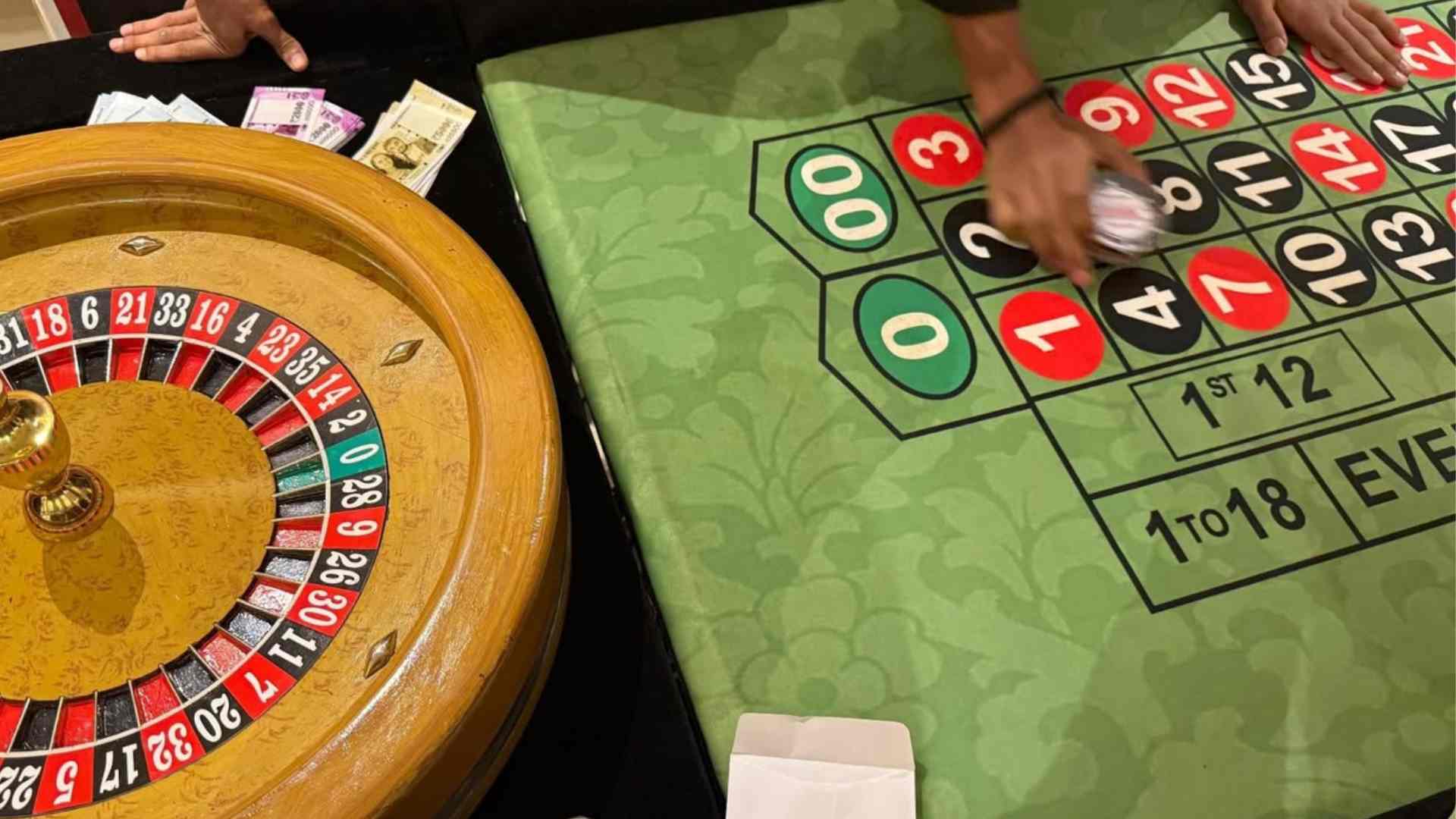
The architectural grandeur and intellectual aura of historic European gambling salons defined an era where table games were treated as refined social rituals. Long before digital displays and automated platforms streamlined wagering, these local spaces served as vital community hubs for high society across France and Italy. Preserving the memory of these classic card rooms allows modern gaming enthusiasts to appreciate the deep cultural heritage that shaped contemporary table mechanics.
During the eighteenth and nineteenth centuries, European card rooms functioned as exclusive sanctuaries designed for deep tactical concentration and quiet socialization. The physical layout of these spaces isolated active participants from casual observers, creating an intimate environment that reinforced unwritten codes of formal etiquette. This structured setup ensured that every dealt hand maintained an atmosphere of absolute mutual respect and refined dignity among peers.
Furthermore, early gaming houses prioritized human interaction by placing structural and financial responsibilities directly onto the players themselves. Instead of facing an invisible corporate institution with unlimited capital, participants took turns funding the bankroll and managing the table cards. This dynamic distribution of authority transformed simple card comparisons into complex psychological battles driven by collective accountability.
The unique character of historical card environments relied heavily on the physical handling of gaming items and custom dealing routines. Specialized croupiers operated under strict behavioral standards, using manual shuffling techniques to establish a transparent bond of trust with the room. This deliberate pacing allowed players to analyze table movements carefully without feeling rushed by modern transactional speed.
Historians and cultural preservationists work to document these traditional rules to ensure the artistic heritage of early table play is not completely lost to automation. Modern platforms frequently study these historical systems to implement authentic design elements that mirror old-world dynamics. Enthusiasts looking for promotional benefits on modern networks can utilize a specific 促销代码 m88 to explore contemporary digital tables inspired by classic European rules.
The spatial architecture of early card rooms continue to influence how global gaming entertainment is structured in both physical and digital venues. For example, the dual-tableau configurations of classic baccarat variants demonstrated how table design could naturally balance financial exposure among multiple participants simultaneously. These historical principles highlight that card games were originally collaborative events built around communal risk.
By exploring the rich heritage of classic European card rooms, today's players gain a more profound perspective on how regional customs created enduring table protocols. Preserving these memories protects the underlying human element that elevated basic numerical calculations into legendary social contests. Ultimately, understanding these historical foundations reminds us that true gaming excellence develops through keen environmental observation and patient structural timing.
How To Copy Emblems BO2 Xbox One
The multiplayer legacy of Call of Duty: Black Ops 2 remains incredibly strong, and one of its most celebrated features is the highly creative custom emblem editor. When playing the classic title via backward compatibility on the Xbox One, showing off a unique profile icon is still a major point of pride among active community members. While creating complex designs from scratch takes immense patience, discovering how to replicate public artwork can save you hours of menu navigation.
Replicating another player's emblem layout requires manipulating the in-game barracks menus using a precise combination of controller inputs. Before attempting this workaround, you must ensure that the target player has at least one saved screenshot in their public theater profile gallery. If the player does not have any screenshots loaded on their account, the internal menu tracking will fail to trigger the replication sequence.
It is highly recommended to practice the rhythm of the controller inputs on a friend's profile before moving to random multiplayer lobbies. The timing can be incredibly strict, and slight adjustments to your button pressing speed are often necessary depending on network conditions. Making sure your storage device has enough free slots for a new profile template is also crucial for success.
To begin the process on your Xbox One, open the game and navigate directly to the player channel of the person whose artwork you wish to duplicate. Once inside their specific profile channel, immediately hover over the emblem option without letting the background assets load completely. From this screen, press Up, followed quickly by X several times, then Down, and a final tap of X.
If the sequence is performed correctly, a prompt should appear allowing you to save the template directly to your personal barracks inventory. If the standard screenshot library loads up instead of the save window, you must back out completely and let the profile menus clear out before trying again. Consistency is key when dealing with legacy engine inputs on modern platforms.
Many active community members encounter issues where the save screen appears but fails to write the asset information properly to the cloud servers. This typically happens when the menu assets are forced to load too quickly, confusing the legacy game interface engine. Taking a brief break or switching to a different multiplayer lobby can sometimes clear up temporary visual synchronization errors.
Ensuring your network configuration settings are optimized can dramatically improve your success rate with tight button execution windows. If you find yourself struggling with the baseline controller inputs, reviewing user tutorials on community hubs like can offer excellent physical timing demonstrations. Many veteran players suggest adjusting your controller hand placement to make rapid inputs much more consistent during menu screens.
Once you successfully save the replicated template to your local collection, you must enter your personal emblem editor to lock the changes permanently. Simply open the newly copied design inside your editor room and make a minor modification, such as moving a single underlying shape layer. Saving the asset immediately after making this small adjustment will reauthor the file completely under your own Xbox Live account credentials.
This reauthoring step prevents the system from deleting the borrowed asset during subsequent multiplayer matchmaking sessions. After the design is securely locked into your profile folder, you can safely apply it to your public identity card for all online lobbies to appreciate. Swapping out your custom card layouts helps keep your presentation feeling fresh as you continue climbing the retro competitive ladders.
How to Unlock Prince Eric in Disney Dreamlight Valley
Bringing iconic characters back to your magical community is one of the most rewarding aspects of Disney Dreamlight Valley. Among the many royals you can welcome, Prince Eric requires a significant amount of effort and dedication to successfully recruit. Finding his lost soul and restoring him to human form involves completing a deep chain of friendship quests with both Ariel and Ursula.
Before you can begin the journey to find the missing prince, you must establish strong bonds with the valley's ocean dwellers. Players need to unlock both Ariel and Ursula by exploring the coastal areas and completing their initial map encounters. Furthermore, you must advance both characters to friendship level ten by giving them their favorite gifts and daily discussions.
Reaching these friendship milestones takes time but is completely mandatory to trigger the final narrative steps. You will also need to unlock several biomes, including the Frosted Heights and the Forgotten Lands, to gather advanced crafting materials. Once these conditions are met, Ursula will offer a crucial contract that shifts the storyline forward.
The official quest to rescue the prince is titled A Deal With Ursula, which becomes available after fulfilling all character level requirements. The sea witch tasks you with retrieving four unique dark crystals hidden across the different biomes of the valley. Investigating the ruins near the pedestals in the Forgotten Lands and other magical points will reveal these glowing items.
After returning the magical crystals to Ursula, she will hand over the Poor Unfortunate Soul of Prince Eric. This item is essential for the next phase of the restoration process, allowing you to finally work toward his physical return. You must then take this soul directly to Ariel to plan the final transformation steps.
To bring a character permanently into the village, you must provide them with a proper home environment. Ariel will request that you place Prince Eric's grand castle somewhere within the valley boundaries. Opening the furniture menu allows you to position the foundation, preferably near the beach to keep the couple close.
Interacting with the Scrooge McDuck sign in front of the construction site will require a payment of 10,000 Star Coins to finish the building. Once the castle is fully constructed, you can explore the interior to find a special flute sitting on a table. Playing this instrument acts as the final catalyst needed to summon the prince through a magical portal.
After using the flute, Prince Eric will officially materialize near the valley wishing well in his human form. Initiating a conversation with him will welcome him to your growing community, allowing you to start building his individual friendship level. He will express his deep gratitude to the player for breaking the sea witch's curse.
Unlocking Eric opens up brand new crafting recipes, including unique blueprints for maritime items and elegant furniture decorations. Players can also assign him a specific valley role to help gather resources during daily farming routines. Maintaining his presence ensures that the classic royal pair can finally enjoy their happily ever after.
How A Random Selector Can Change The Pace Of Group Activities
Managing the energy of a group during collaborative sessions often requires a delicate balance between structure and spontaneity. Traditional scheduling methods can make interactive workshops feel like tedious chores, causing engagement levels to drop rapidly over time. Introducing a dynamic random selector instantly alters this momentum by injecting an unexpected element of visual tension into the room.
When a group hands over its operational control to an impartial digital spinner, individual hesitation completely disappears. This shift dramatically reduces decision fatigue because team members no longer spend time overthinking simple structural options. The instant transition from continuous debate to absolute certainty keeps the entire audience focused on the next immediate task.
By removing personal bias from the equation, participants are much more likely to accept the chosen outcome without lingering arguments. This collective clarity creates a balanced atmosphere where everyone feels treated with equal respect. Consequently, the speed of shifting between complex discussion topics improves significantly throughout the meeting.
Standard meetings frequently suffer from predictable timelines that gradually drain the creative motivation of the participants. Integrating variable tools helps disrupt these rigid routines, transforming mandatory collaborative sessions into highly interactive environments. The minor spike in anticipation caused by a randomizer stimulates cognitive alertness and keeps passive listeners thoroughly engaged.
Many modern organizational architectures utilize specific tools to streamline operations, similar to how digital platforms optimize outreach via a 推广代码 m88 to build rapid momentum. When applied to group dynamics, these swift mathematical systems shift the social tempo away from exhausting negotiations. The result is a highly adaptive workflow where team members eagerly anticipate the next unplanned transition.
Creativity naturally thrives when individuals are pushed out of their structured comfort zones into unexpected scenarios. Random selection systems create balanced constraints that force participants to think quickly and improvise fresh perspectives on the spot. This sudden demand for rapid adaptability often generates highly original ideas that a traditional brainstorm would rarely produce.
Furthermore, watching an unpredictable visual sequence unfold fosters a shared sense of lighthearted entertainment among coworkers. This mutual experience breaks down formal social barriers, leading to increased trust and authentic communication between separate departments. Teams that experience these spontaneous highlights together generally demonstrate stronger collaboration during high-pressure milestones.
Utilizing randomized selection utilities does not mean abandoning strategic scheduling entirely within a professional workshop. Instead, effective event facilitators use these systems as tactical punctuation marks to vary the structural tempo of the day. Alternating between intense analytical periods and rapid, chance-based selections keeps the group's overall attention from hitting an exhausted plateau.
Ultimately, altering group pacing through automated randomness transforms how teams view collective obligations. It demonstrates that ordinary operational choices can evolve into engaging highlights that support long-term productivity. By embracing the power of pure chance, modern groups can maintain a vibrant momentum that keeps every participant fully involved.
Best Open World Games On Xbox Series X
Exploring vast digital landscapes has become a cornerstone of modern gaming, offering players unparalleled freedom and immersion. The Xbox Series X provides the perfect hardware foundation to experience these massive environments, thanks to its powerful processing capabilities and high-speed solid-state drive. Players can seamlessly traverse diverse terrains without enduring the disruptive loading screens that plagued older console generations.
The technical architecture of the Xbox Series X drastically alters how massive environments load and render in real time. Developers can now implement higher draw distances, denser crowds, and far more complex environmental physics without degrading the overall frame rate. This structural improvement allows virtual worlds to feel genuinely alive rather than serving as static backgrounds for standard linear missions.
Furthermore, hardware-accelerated ray tracing adds realistic lighting, shadow depth, and environmental reflections that elevate visual fidelity to unprecedented heights. Traveling through a dense forest or a rain-slicked futuristic city becomes a visually arresting experience that showcases true generational power. These enhancements ensure that modern sandbox titles achieve a level of realism that was previously restricted to high-end personal computers.
Racing games have successfully adopted the open-world philosophy to deliver unparalleled automotive freedom across meticulously detailed recreation zones. For instance, the sweeping landscapes of Central America are beautifully realized, allowing drivers to move smoothly from active volcanoes to historic urban centers. This genre shift proves that open maps can enhance specialized gameplay styles rather than just traditional role-playing frameworks.
The seamless integration of shifting weather patterns and seasonal changes keeps the environment feeling fresh during extended gameplay sessions. Players can participate in massive community events or simply choose an isolated highway to test the limits of their digital garage assets. This balance of structured competitive racing and casual environmental exploration highlights the diverse entertainment options available on the platform.
Traditional role-playing games continue to push the boundaries of storytelling by embedding intricate narrative arcs into expansive physical maps. Modern titles allow players to explore ancient fantasy realms where every geographical landmark hides unique historical lore or tactical combat challenges. The power of the console ensures that these massive landmasses maintain smooth performance even during chaotic, multi-faction battle sequences.
Navigating these complex worlds requires a smart balance between main story progression and organic discovery along the beaten path. Players frequently uncover hidden side missions, rare equipment containers, and unique companion storylines simply by wandering away from active quest markers. This design philosophy encourages individual player agency and ensures that no two playthroughs feel exactly the same.
As virtual environments expand in scale and graphical complexity, the storage footprint of individual titles has grown substantially. Utilizing the specialized internal storage architecture is entirely necessary to experience the rapid loading times and quick resume functions built into the console hardware. Managing your active library effectively ensures that you can jump between different massive adventures without waiting for lengthy reinstallation processes.
Investing in official storage expansion cards provides a reliable method to expand your library capacity without sacrificing performance metrics. This hardware setup allows you to keep multiple premium open-world experiences ready for instant gameplay at a moment's notice. Ultimately, preparing your digital dashboard layout effectively maximizes your leisure time and elevates your overall enjoyment of modern gaming.
Semua artikel sudah ditampilkan.