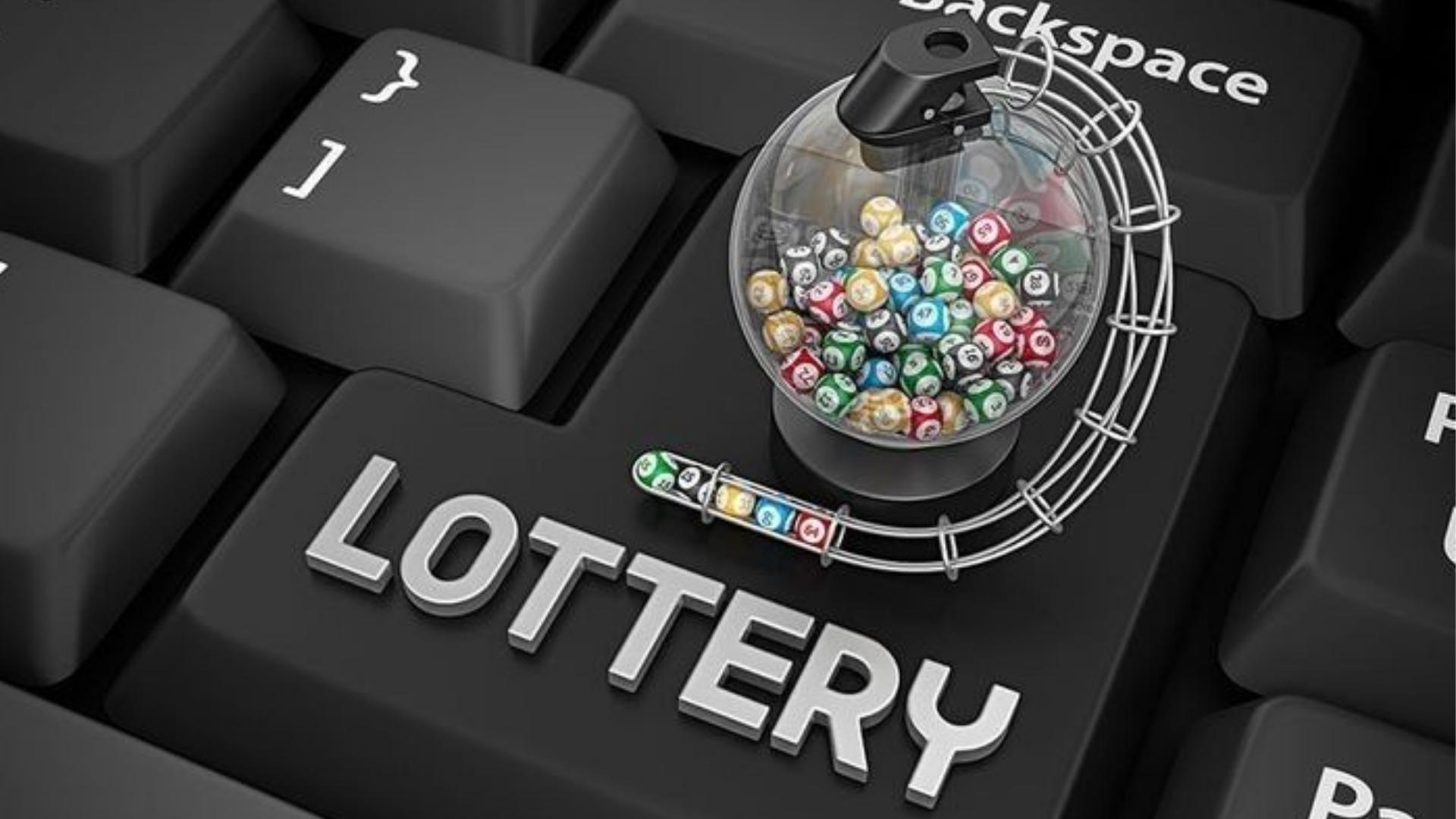
The methodologies governing how rewards, incentives, and prizes are distributed across modern digital platforms have undergone a massive transformation. Traditional systems that relied on slow, manual selections or predictable structures are rapidly giving way to dynamic, data-driven frameworks. Understanding these contemporary systems is essential for platforms aiming to optimize audience trust and sustain long-term engagement levels.
The Transition to Algorithmic Transparency
Modern reward distribution relies heavily on cryptographic protocols and automated verification systems to ensure complete integrity. By utilizing verifiable random number generators, platforms can guarantee that every participant receives an equal opportunity to win. This systemic transparency eliminates human bias and builds a solid foundation of trust between creators and their communities.
Furthermore, these sophisticated systems generate automated public logs that allow external observers to audit the selection process. When users can independently verify the fairness of a campaign, their overall confidence in the ecosystem rises significantly. This mathematical neutrality has become the gold standard for high-stakes digital allocations worldwide.
Predictive Personalization and Dynamic Rewards
Beyond absolute randomness, forward-thinking organizations are incorporating machine learning models to tailor incentives to individual user preferences. By analyzing historical behavioral signals, platforms can automatically adjust the types of prizes distributed to maximize personal relevance. This strategic adaptation ensures that the incentives remain highly valuable to different segments of the audience.
For instance, an active participant might receive an exclusive visual cosmetic, while a casual consumer is offered a practical loyalty milestone. This hyper-personalized approach ensures that no two customer journeys feel identical, keeping engagement metrics consistently high. Modern entertainment structures and hubs like m88 cá cược thể thao trực tuyến frequently study these behavioral patterns to deliver highly optimized user experiences.
Sustaining Engagement Through Variable Schedules
Psychological research indicates that human motivation peaks when the timing and scale of positive reinforcements remain unpredictable. Modern distribution designs leverage this phenomenon by integrating sudden drops, mystery boxes, and spontaneous milestone rewards into standard operations. This deliberate variation transforms routine interactions into highly anticipated events filled with positive suspense.
When outcomes are not strictly guaranteed or fixed, participants remain mentally active and emotionally invested over extended periods. This variable reinforcement framework helps mitigate user fatigue, which is a common limitation of older progression systems. The resulting sense of novelty encourages regular voluntary participation without requiring aggressive promotional messaging.
Democratizing the Community Winning Experience
Historical reward frameworks often favored a small minority of users who possessed exceptional technical skills or massive time investments. Contemporary allocation strategies actively work to democratize this experience by balancing performance milestones with broad accessibility features. This balanced architecture ensures that everyday community members feel recognized alongside elite performers.
When casual participants realize that a meaningful breakthrough is genuinely attainable, their baseline motivation increases. This inclusive design philosophy fosters a healthier, more collaborative environment where diverse groups can thrive together. Ultimately, modern prize distribution is as much about cultivating community connection as it is about delivering individual rewards.