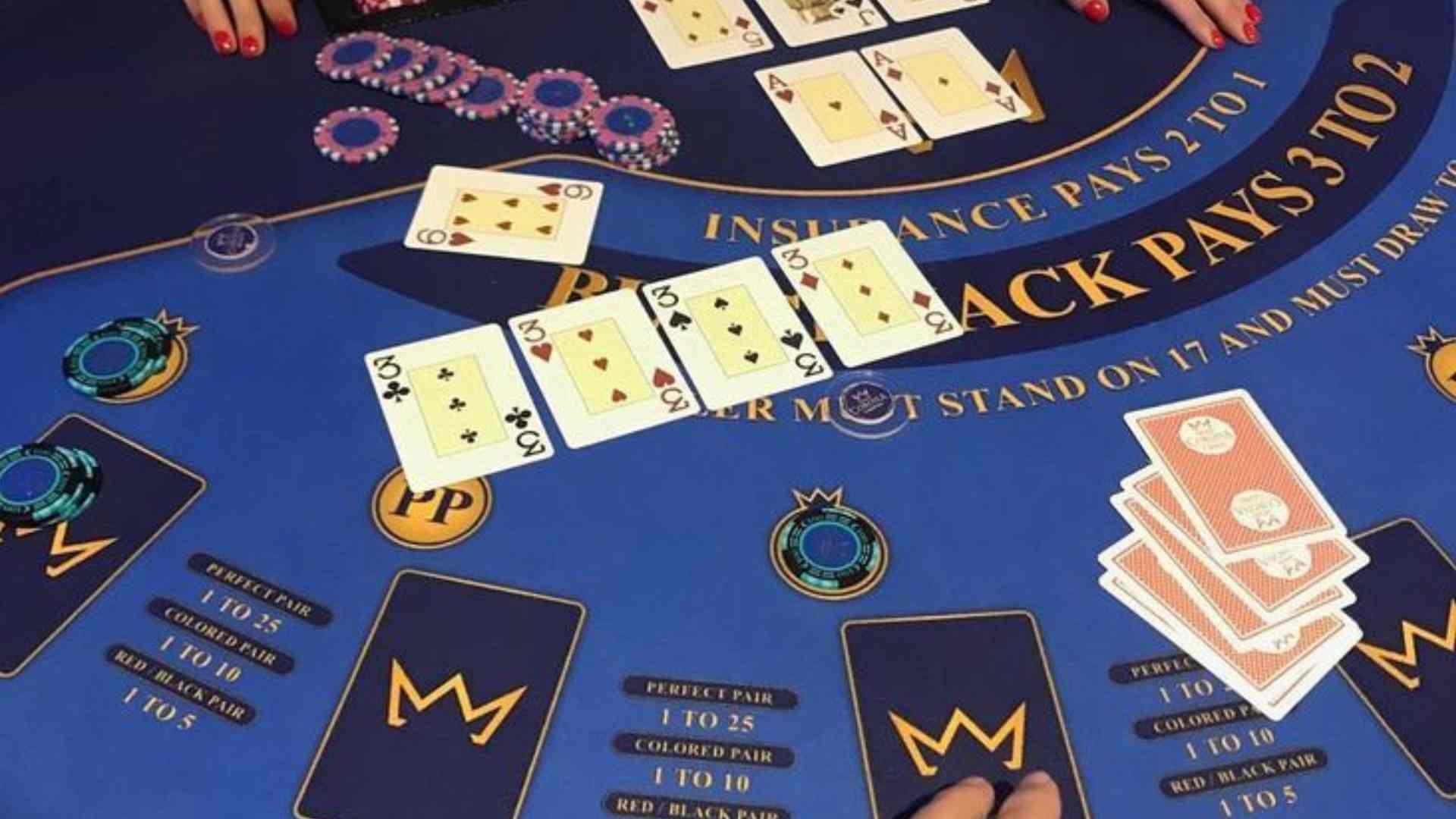
The visual arrangement of digital card games plays an essential role in how comfortably a participant can manage extended playing sessions. When gaming platforms focus on structural clarity, players can easily track their active metrics and make decisions without experiencing unnecessary physical or mental strain. A thoughtfully engineered layout minimizes distractions and optimizes player focus during high-stakes situations.
The Spatial Organization of Visual Elements
Proper spatial structure ensures that all essential components, such as stack sizes and betting buttons, remain instantly accessible. By placing interactive features in highly intuitive zones, developers significantly reduce the physical movement required to execute basic commands. This careful arrangement helps maintain logical continuity and prevents mechanical friction during rapid transitions.
Furthermore, standard configurations that isolate dynamic information help users preserve their strategic concentration over long hours. Casual enthusiasts and seasoned professionals alike benefit from clean visual pathways that update real-time statistics instantaneously. Eliminating structural clutter allows participants to focus entirely on tactical calculation rather than navigating a confusing board.
Reducing Cognitive Load and User Fatigue
When an application organizes its spatial properties efficiently, it naturally lowers the amount of mental effort needed to process changing game states. A streamlined framework ensures that critical actions register cleanly without causing sensory confusion. This deliberate reduction in cognitive drag allows players to maintain their stamina and avoid costly strategic errors.
Using professional platforms like boss29 reveals how modern interface design provides scalable solutions for diverse screen layouts. These responsive setups adjust automatically across desktop and portable setups to guarantee consistent readability. Protecting the user from information overload remains a primary milestone for successful software engineers worldwide.
Customization Features for Personalized Comfort
Modern gaming software frequently incorporates adjustable dashboard elements that let individuals build a unique spatial workspace. Modifying visual parameters like card sizing and background lighting allows users to find the exact configuration that aligns with their personal comfort levels. Tailoring these subtle configurations transforms a generic client into an optimized personal arena.
Additionally, implementing personalized hotkeys and keyboard shortcuts dramatically accelerates reaction time while playing at multiple tables simultaneously. These tailored solutions help players coordinate intensive sessions seamlessly without experiencing technical disruptions. Allowing players to control their spatial architecture directly enhances overall engagement and satisfaction.
Ensuring Stability and Smooth Interaction
The operational framework hosting the visual display must function perfectly to prevent sudden display latency or misclicks. If a spatial design lags during high-traffic intervals, the user experience deteriorates quickly regardless of how attractive the layout looks. True operational convenience depends heavily on the perfect synchronization between interactive elements and background processing loops.
Ultimately, regular system maintenance ensures that layout configurations operate reliably over long-term usage. Development teams must continuously refine their user interfaces to ensure compatibility with updated hardware and operating environments. A dependable layout infrastructure provides a solid foundation for a highly efficient and thoroughly enjoyable digital experience.