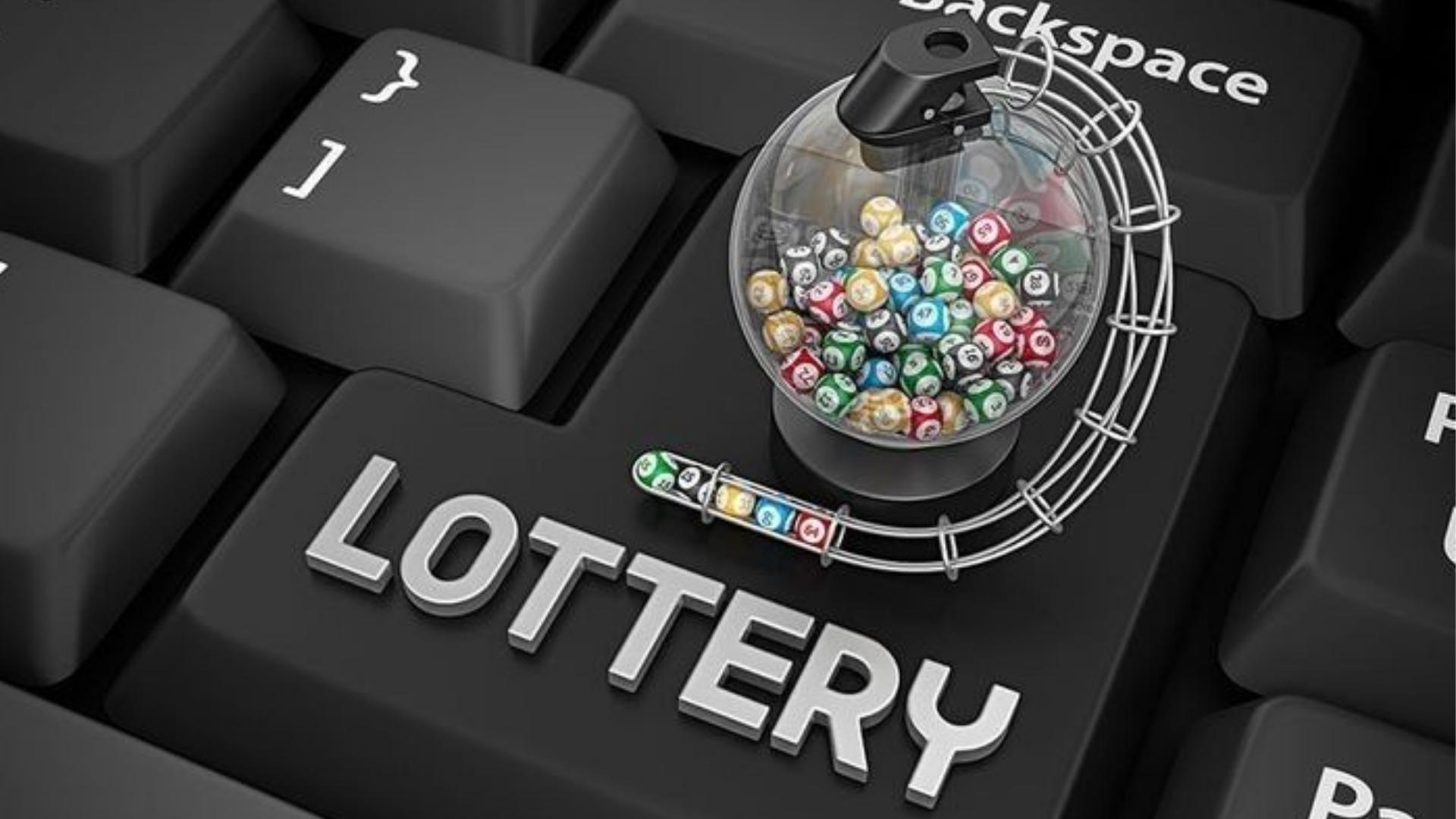
Modern gaming is undergoing a massive shift as developers move away from static progression systems in favor of fluid, adaptive reward environments. Dynamic bonuses are redefining how players interact with digital platforms, creating highly customized incentives that react to individual activity and playstyles. By continually shifting away from fixed schedules, these intelligent mechanics ensure that every session offers meaningful surprises and sustained engagement.
The Evolution from Static to Dynamic Rewards
Traditional reward systems traditionally relied on predictable milestones and static unlock schedules. While this model provided clear targets, it often led to routine fatigue once players mastered the underlying mechanics. Dynamic bonuses disrupt this monotony by altering payouts, surprise perks, and challenge conditions based on active performance.
This adaptability creates a responsive feedback loop that keeps interaction feeling fresh over extended periods. Players no longer feel bound to rigid grinding tracks, as adaptive algorithms continuously calibrate incentives to match their skill level and engagement patterns.
Algorithmic Adaptability and Personalization
Behind modern dynamic systems are real-time data analytics capable of measuring how individuals approach specific tasks. By evaluating playtime, success rates, and preferences, modern engines deliver tailored bonuses precisely when motivation begins to dip. This tailored delivery reinforces positive gameplay habits without making payouts feel artificial or excessive.
Furthermore, personalized incentives give players a stronger sense of agency during their digital journeys. Platforms offering options such as m88 link alternatif highlight how contemporary digital ecosystems utilize accessible entry points alongside adaptive incentive frameworks. Such strategic integration ensures that participants experience both convenience and relevant, engaging features.
Psychological Foundations of Adaptive Incentives
The success of dynamic bonuses relies heavily on well-researched psychological principles surrounding variable reinforcement schedules. Unpredictable outcomes naturally heighten curiosity and maintain focus far better than fixed rewards. When players realize that their next action could trigger a unique multiplier or sudden bonus, anticipation increases naturally.
Crucially, effective system design balances unpredictability with fairness to avoid unnecessary player dissatisfaction. Establishing visible progression floors alongside surprise elements guarantees that effort is consistently respected. This delicate balance maintains long-term trust while preserving the thrill of discovery.
Sustaining Long-Term Retention Through Strategic Innovation
As interactive entertainment continues to scale, maintaining player retention remains a top priority for developers worldwide. Dynamic bonus structures provide a scalable solution by evolving alongside the player community over months or years. Rather than relying on constant manual content updates, adaptive incentive engines automatically generate diverse goals and rewards.
This ongoing technical evolution signals a promising future for modern digital progression systems. By combining continuous learning algorithms with human-centric design, interactive platforms can foster vibrant ecosystems where every participant feels uniquely valued.